Řazení a kategorie - úvodní informace
Pořadí Zaniklých Obcí, Osad a Samot (ZOOS) je určeno nejdříve podle okresů zasahujích do území CHKO České středohoří. Okresy jsou seřazeny v abecedním pořadí podle jejich dvoumístné značky. Značka okresu je vždy před názvem ZOOS.
Česká Lípa: CL
Děčín: DC
Louny: LN
Litoměřice: LT
Most: MO
Teplice: TP
Ústí nad Labem: UL
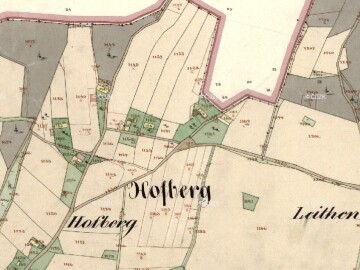
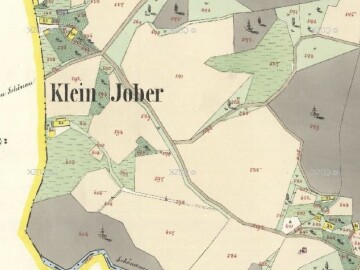
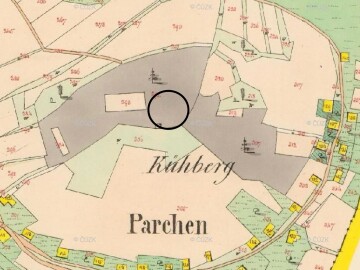
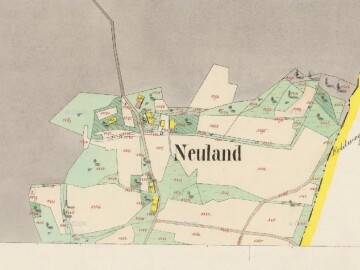
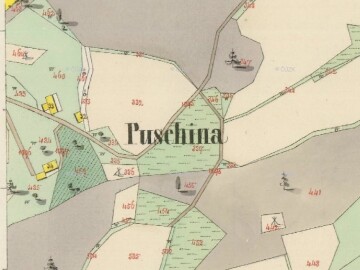
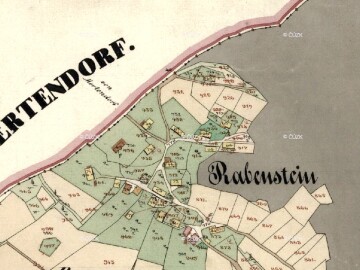
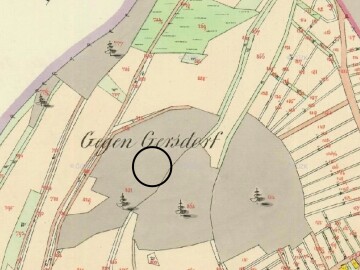
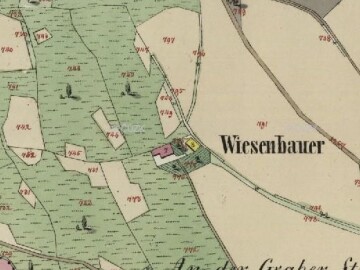
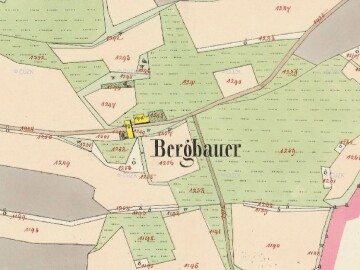
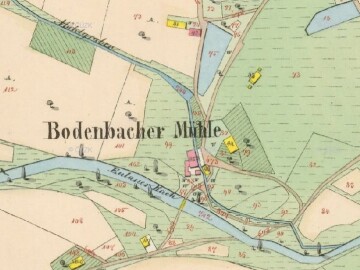
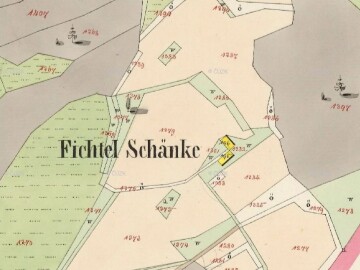
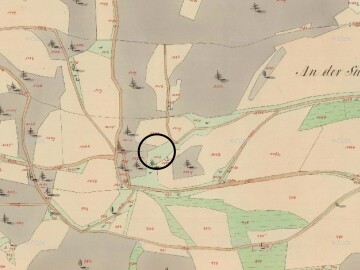
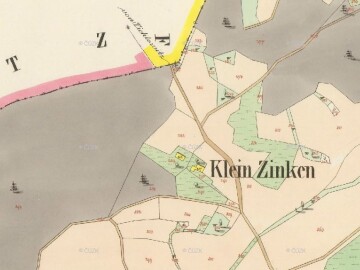
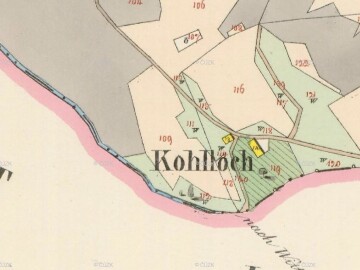
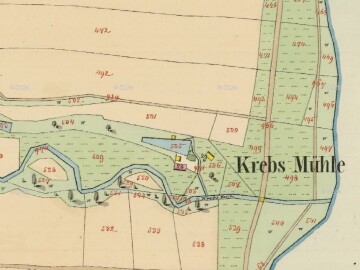
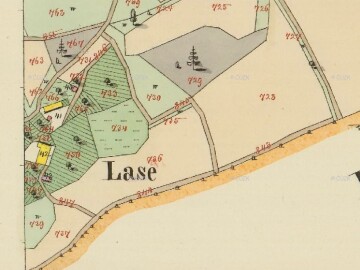
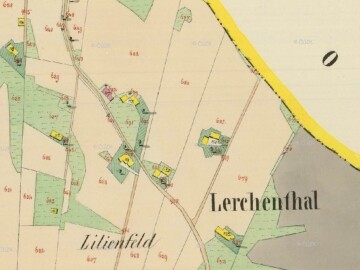
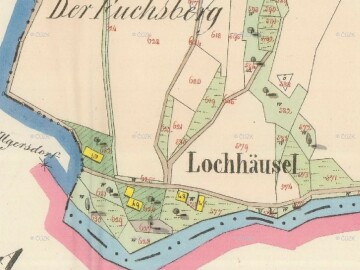
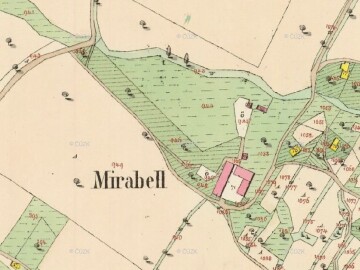
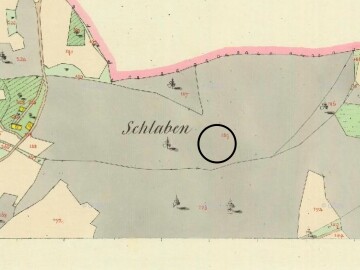
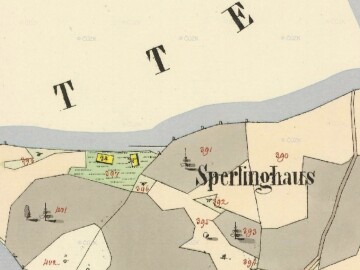
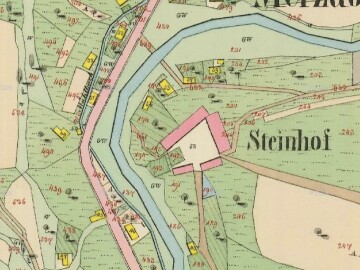
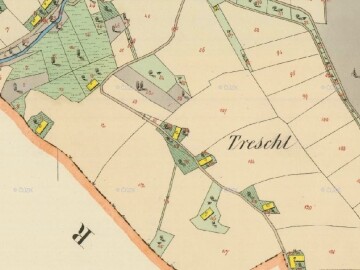
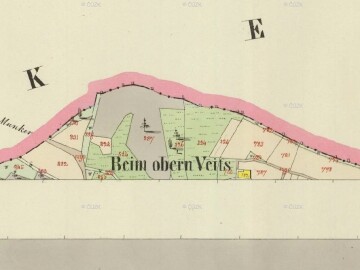
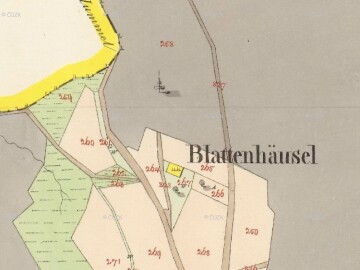
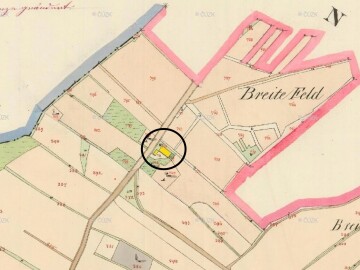
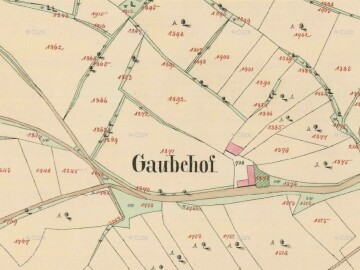
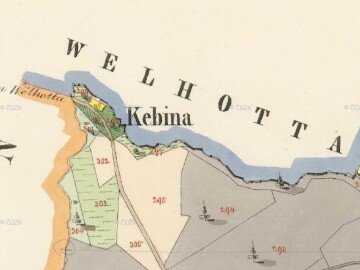
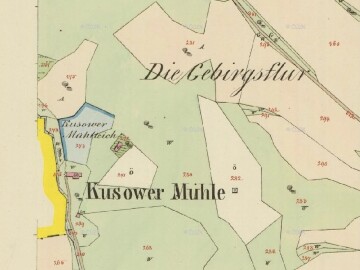
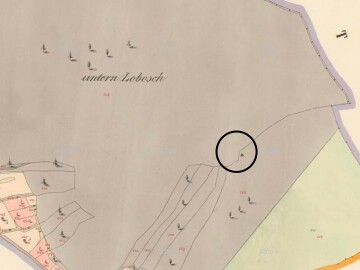
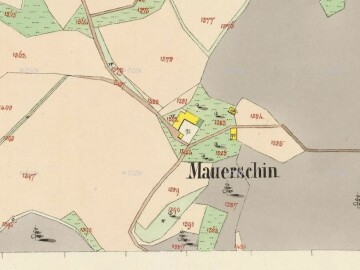
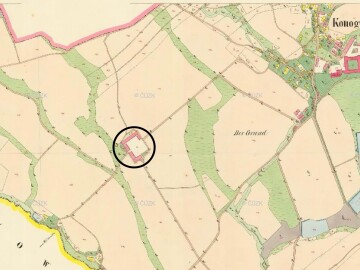
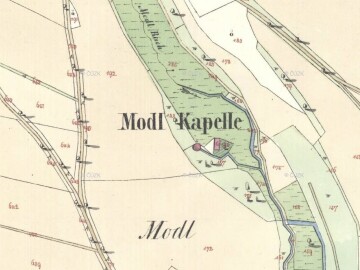
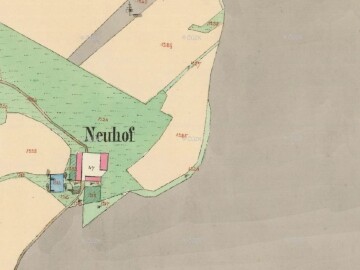
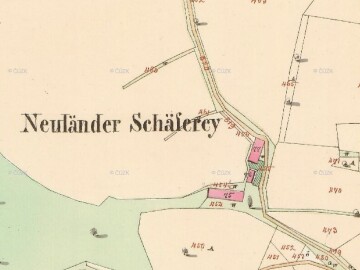
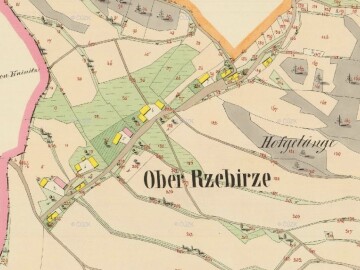
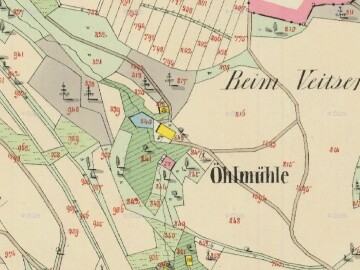
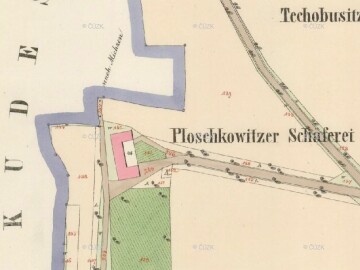
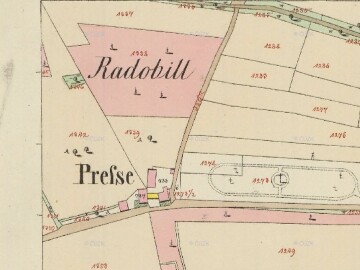
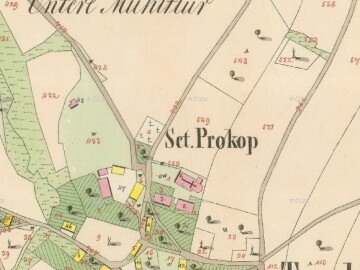
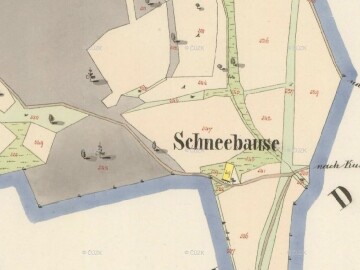
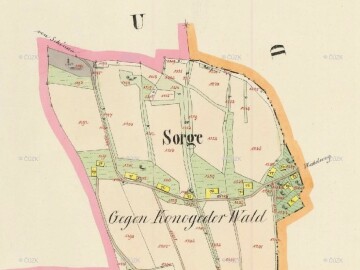
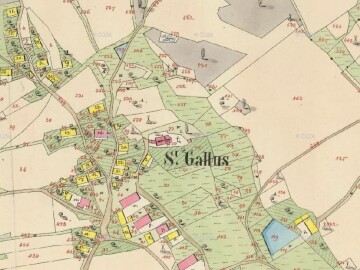
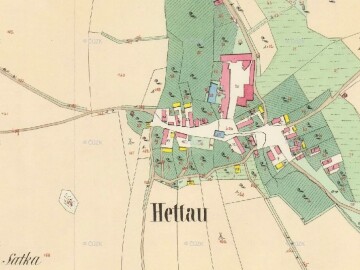
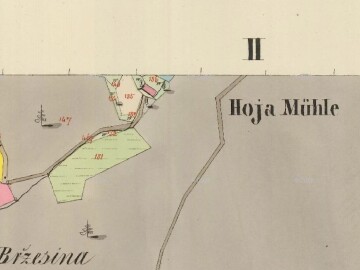
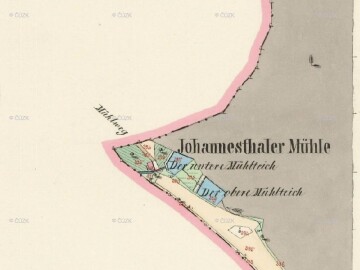
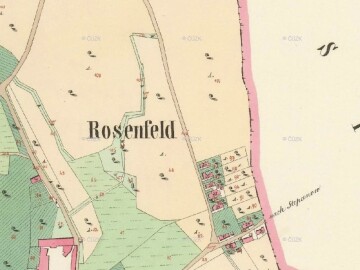
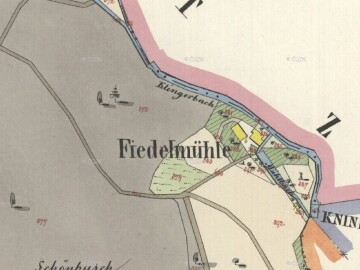
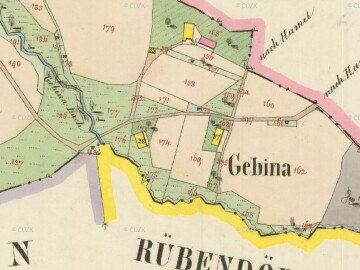
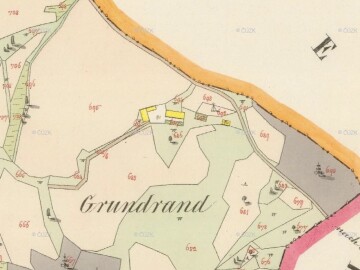
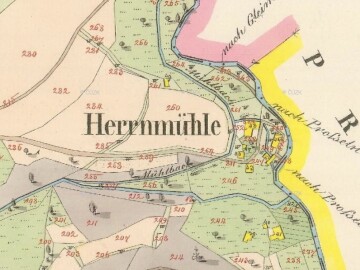
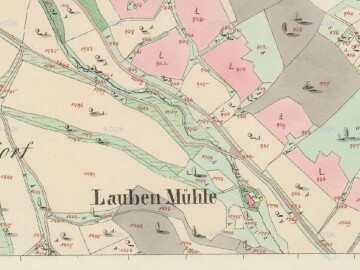
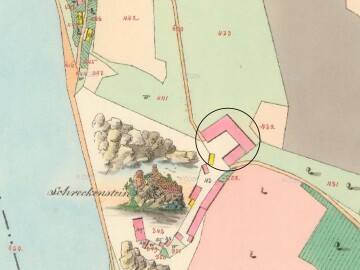
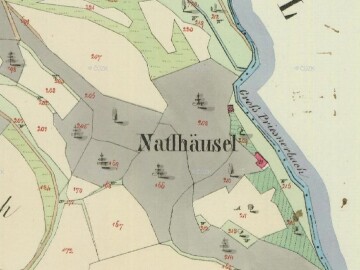
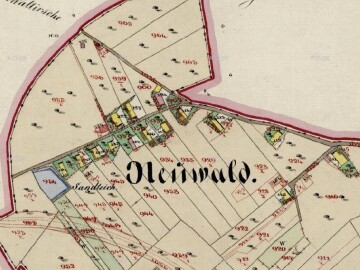
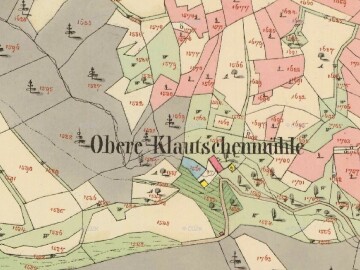
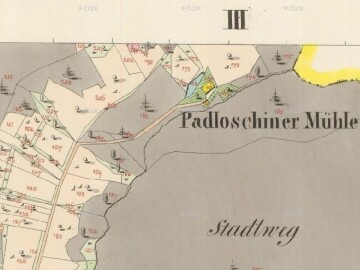
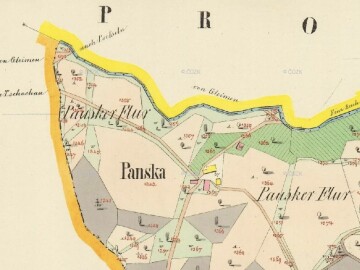
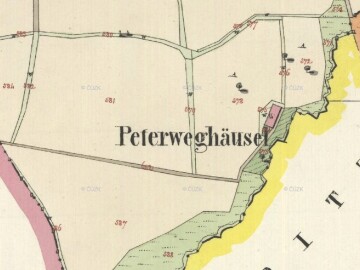
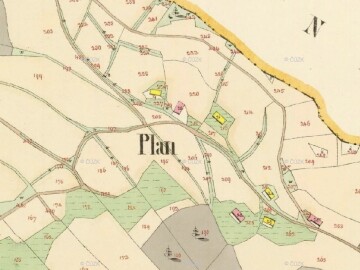
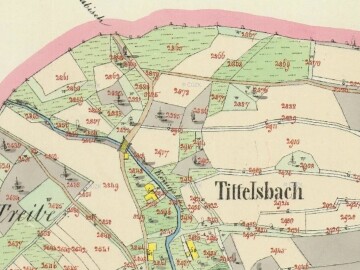
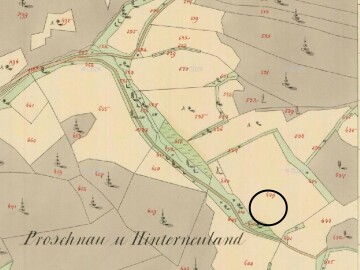
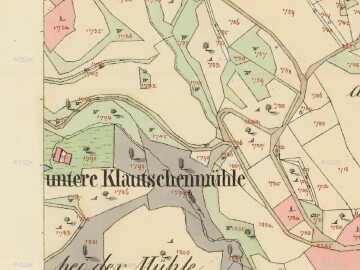
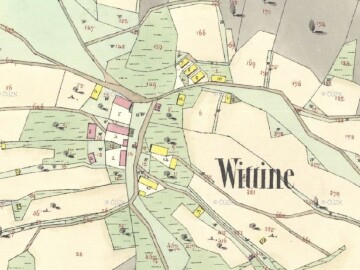
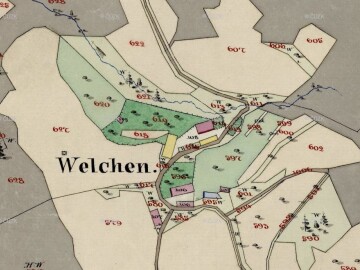
V rámci okresu jsou potom abecedně řazeny německé názvy jednotlivých ZOOS převzaté z map Stabilního katastru z roku 1843 ve variantě Císařských povinných otisků (SK CPO), které se na současných mapách již nevyskytují. V několika výjimečných případech nebyly k dispozici mapy SK CPO, proto ke srovnání byly použity tzv. Originálni mapy (SK OM).
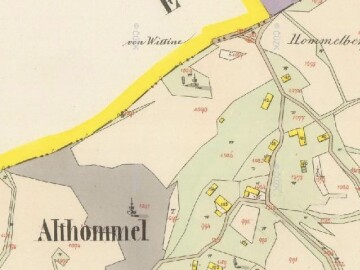
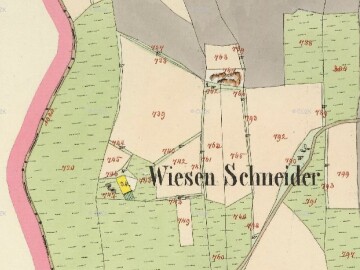
Termín ZOOS je v rozšířeném smyslu použit nejen pro kategorie "Zaniklá obec" (ob), "Zaniklá osada" (os) a "Zaniklá samota" (sa), ale i pro kategorie "Jiné" (ji), event "Jiné mladší" (jm). Jmenované kategorie jsou v soupisu uvedené hned za značkou okresu. V části Mapa jsou tyto kategorie pro lepší přehled odlišené barevně.
Zaniklá obec (ob)
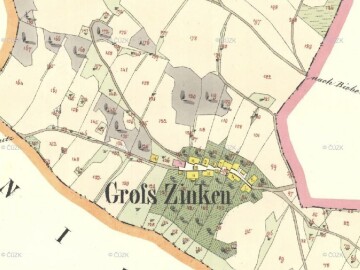
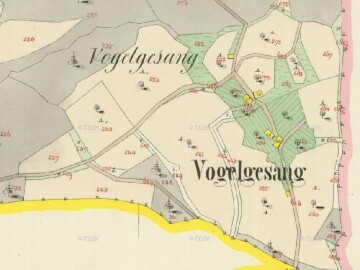
Obec zakreslená se svým názvem na mapě SK CPO, která v průběhu let od prvního obecního (prozatímního) uspořádání v roce 1850 do roku 1990 měla alespoň po určitou dobu své vedení/samosprávu, přičemž dnes na mapách pod svým názvem již neexistuje. Na území zaniklé obce může v současné době být max. 5% užívaných domů (pro rekreaci nebo trvalý pobyt) z počtu domů zaznamenaných při sčítání v roce 1930. Evidovány 2 zaniklé obce.
Zaniklá osada (os)
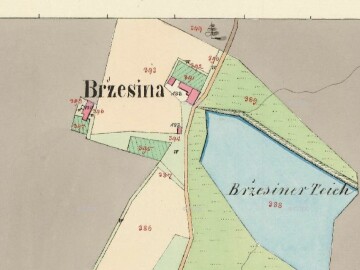
Část obce zakreslená se svým názvem na mapě SK CPO, která zpravidla přímo nenavazovala na obydlenou část obce a byla tvořena alespoň 5 domy, přičemž dnes na mapách pod svým názvem již neexistuje. Osada administrativně spadala pod obec. Na území zaniklé osady může v současné době být max. 10% z počtu domů zaznamenaných při sčítání v roce 1930.
Evidováno 19 zaniklých osad.
Zaniklá samota (sa)
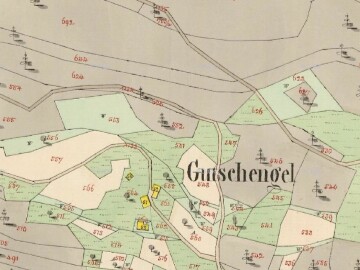
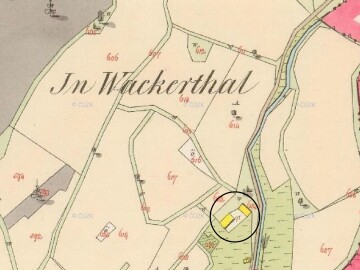
Část obce zakreslená se svým názvem na mapě SK CPO, která přímo nenavazovala na obydlenou část obce a byla tvořena maximálně 4 domy, přičemž v současné době v terénu není zachován ani jeden objekt.
Evidováno 30 zaniklých samot.
Jiné (ji)
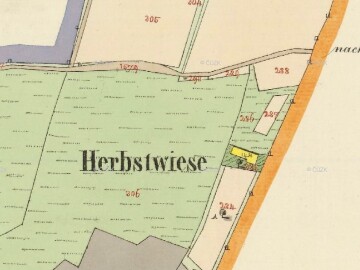
V této kategorii jsou zahrnuty všechny subjekty, které prioritně nebyly určeny k bydlení, ale sloužily i jinému účelu. Patří sem:
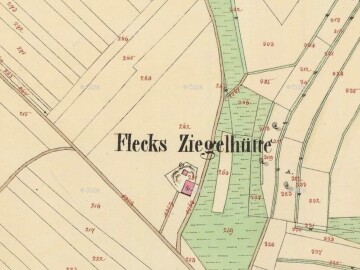
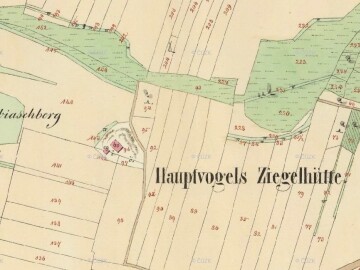
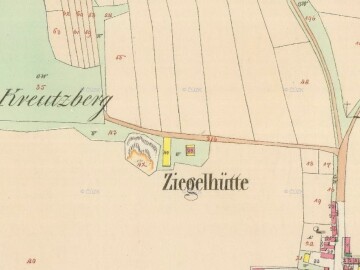
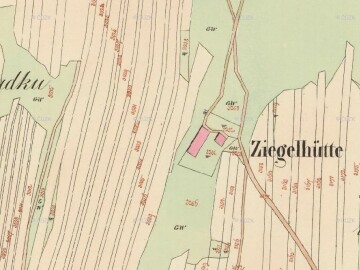
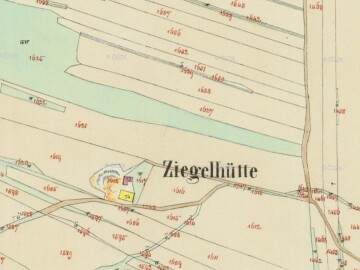
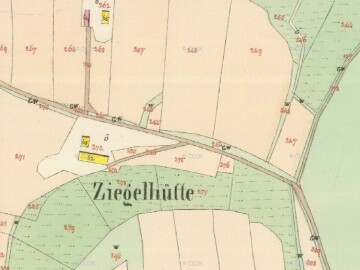
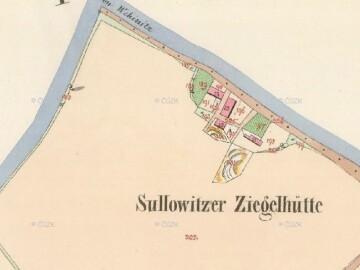
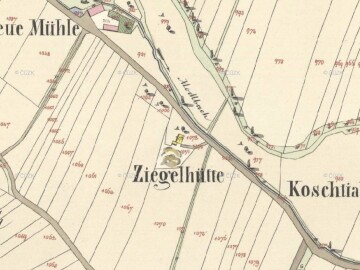
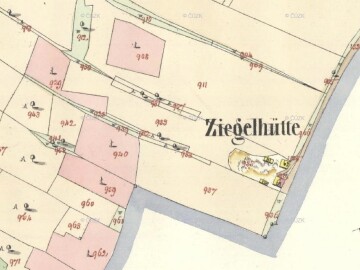
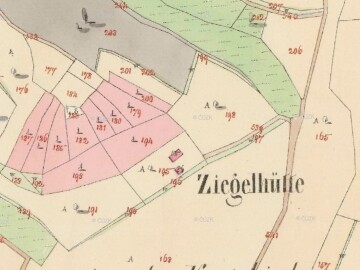
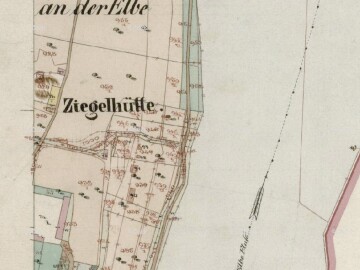
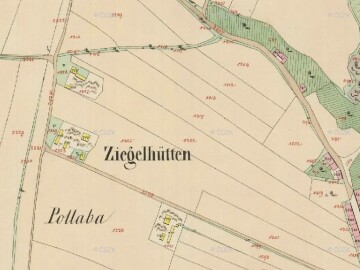
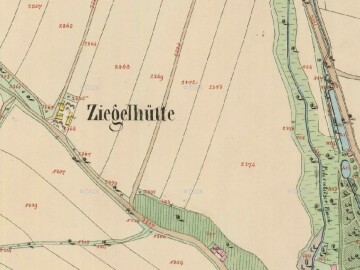
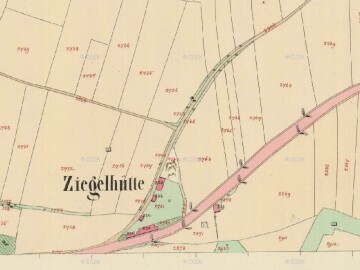
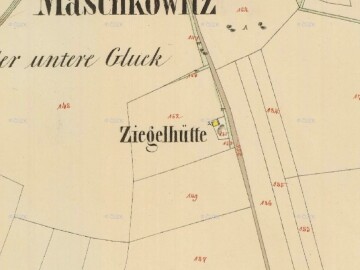
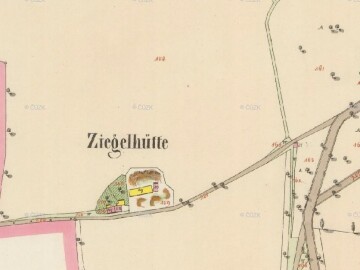
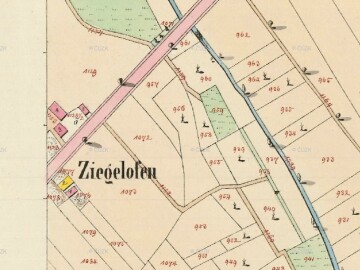
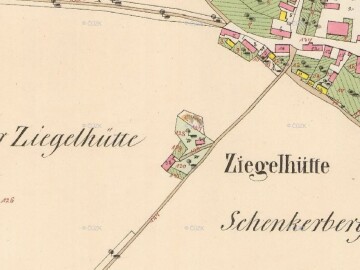
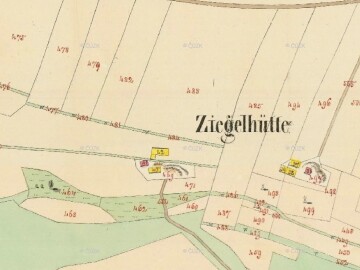
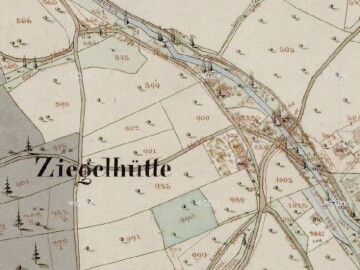
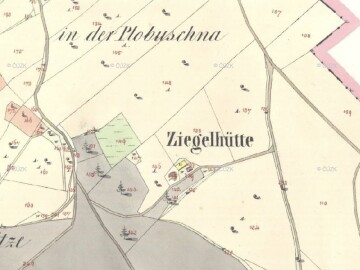
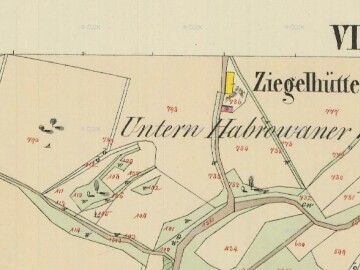
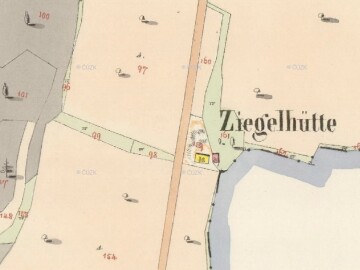
- cihelna (Ziegelhütte)
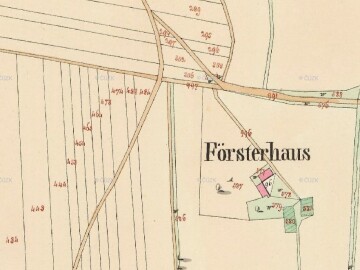
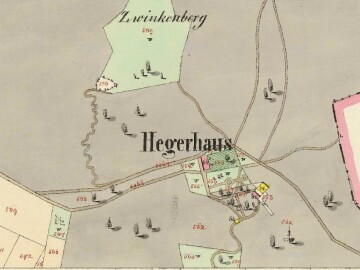
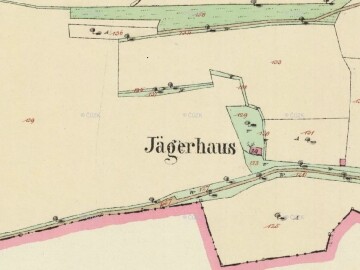
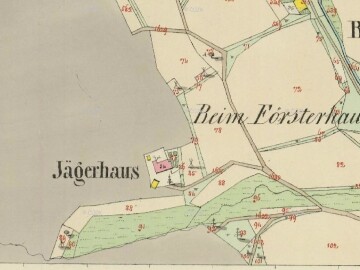
- hájovna (Jägerhaus, někdy Hegerhaus) jako menší obydlí hajného, který měl na starosti dohled nad svěřeným lesním revírem, ochranu proti pytláctví, drobnou údržbu
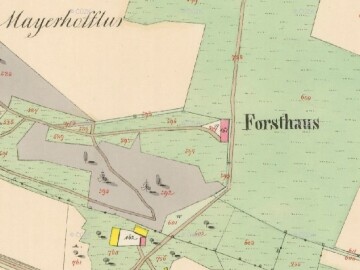
- lesovna (Forsthaus, někdy Forstgebäude, výjimečně Waldhaus) jako správní budova lesního hspodářství, kde sídlil lesní nebo polesný, což byla vyšší funkce než hajný; sloužila k řízení, administrativě a organizaci práce v lese; obvykle větší budova s kancelářemi, sklady nebo hospodářským zázemím
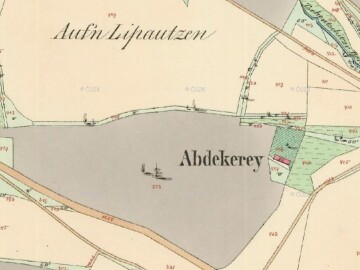
- mrchoviště, dnes kafilérie (Abdekerey) jako místo, kde se zpracovávaly uhynulé nebo utracené kusy dobytka
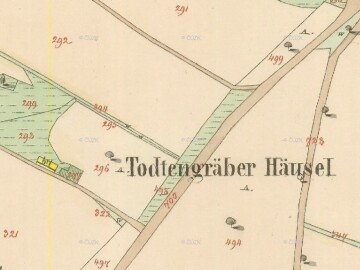
- dům hrobníka (Todtengräber Häusel)
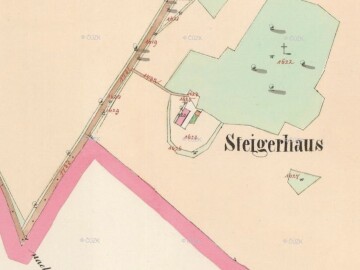
- dům důlního mistra (Steigerhaus)
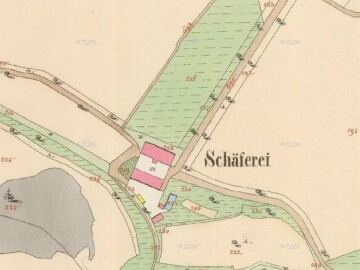
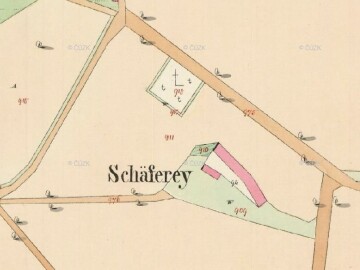
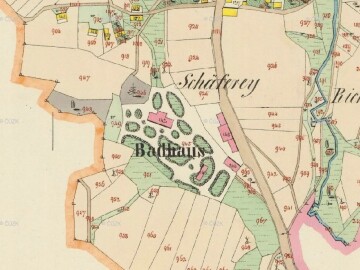
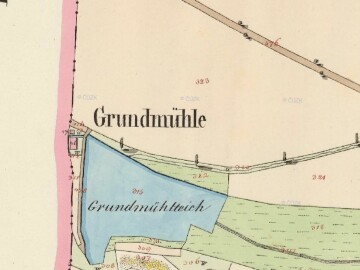
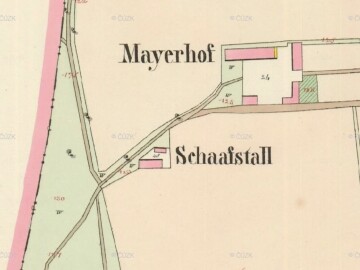
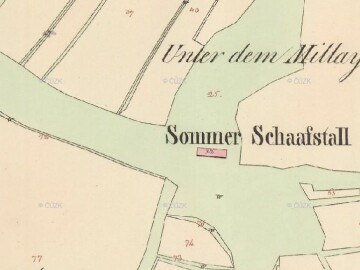
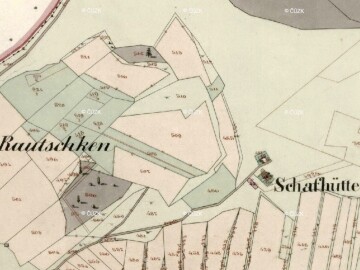
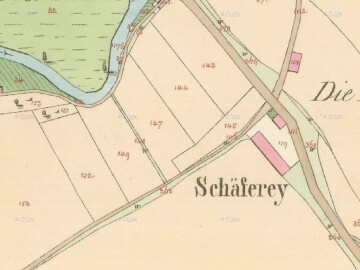
- ovčinec (Schäferey, někdy Schaafstall); pokud se mapoval dům pastýře, potom Schäferhaus nebo Schafhütte
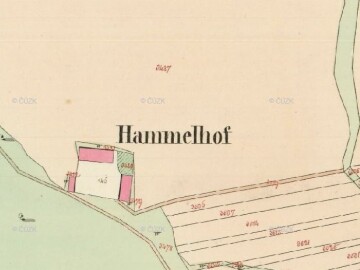
- ovčín (Hammelhof) jako hospodářský dvůr (panský) zaměřený na chov ovcí
- panský (nebo též poplužní) dvůr (Mayerhof, někdy Meierhof) jako vrchnostenský (šlechta, klášter, panství) dvůr spravovaný Mayerem, resp. Meierem, tedy šafářem; obvykle rozsáhlý uzavřený nebo polouzavřený areál; soustřeďovala se zde živočišná výroba, byly zde sklady obilí apod.
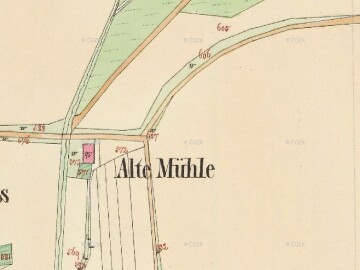
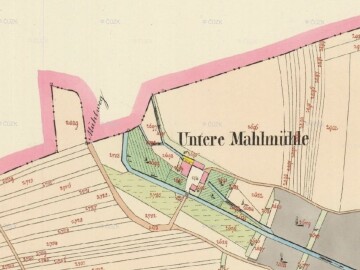
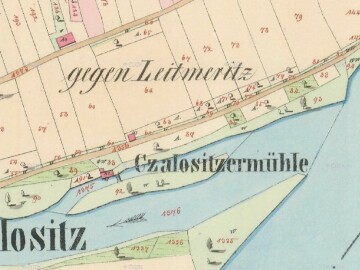
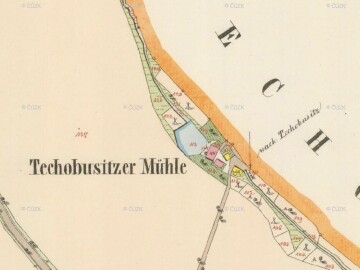
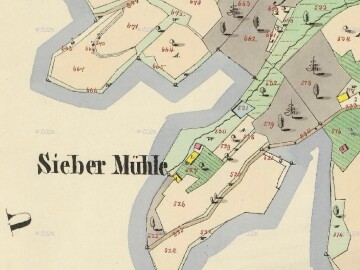
- mlýn vodní (Mühle)
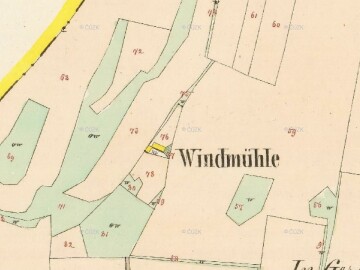
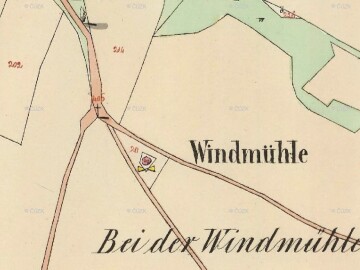
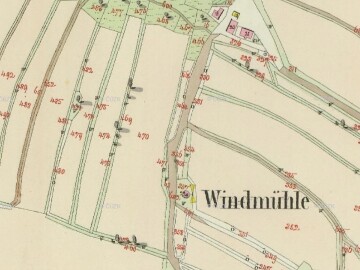
- mlýn větrný (Windmühle)
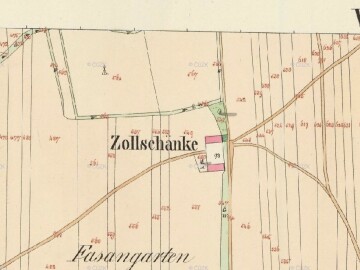
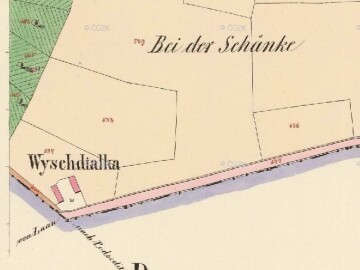
- hostinec (Schänke)
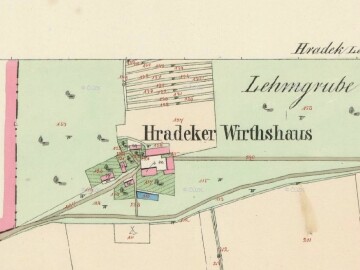
- zájezdní hostinec (Wirthshaus)
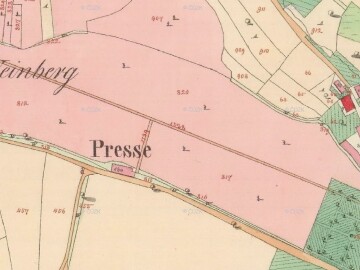
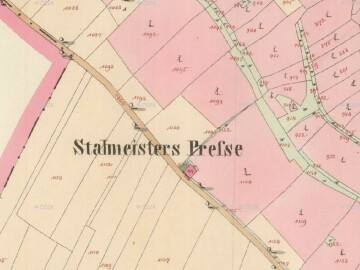
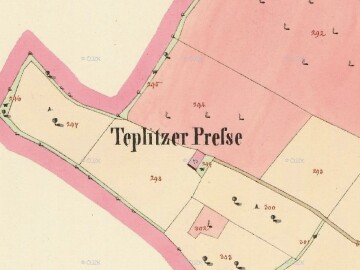
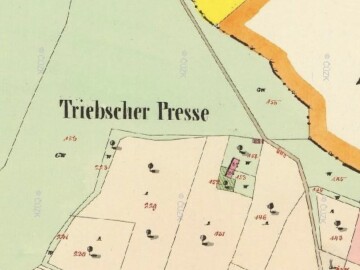
- lis (Presse) na ovoce
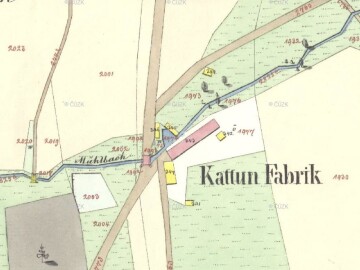
- továrna (Fabrik), továrna na výrobu bavlněných látek (Kattun Fabrik)
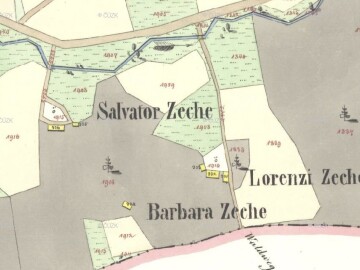
- důlní zařízení (Zeche)
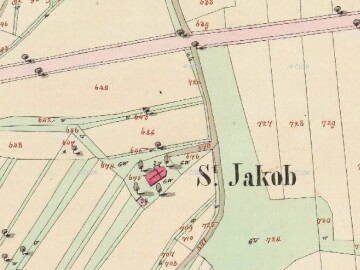
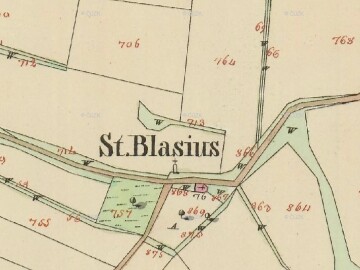
- kostel, za socialismu zcela zničený kostel (většinou odstřelený) nebo silně zanedbaný (dnes ruiny)
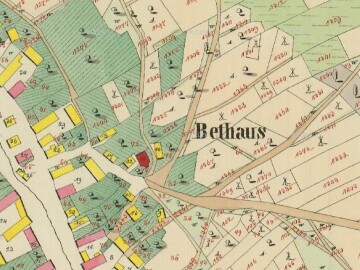
- modlitebna (Bethaus) jako evangelická (protestantská) modlitebna
Pokud se v rámci jednoho okresu vyskytuje více subjektů v kategorii "Jiné" stejného názvu, potom je každému přiřazena římská číslovka tak, aby byl jednoznačně pojmenovaný (např. Ziegelhütte I, Ziegelhütte II atd.). Evidován 91 subjekt (23 cihelen, 18 mlýnů vodních, 8 ovčínů, 7 panských/selských dvorů, 6 lisů, 6 kostelů, 5 hostinců, 4 hájovny, 3 lesovny, 3 větrné mlýny, 1 modlitebna, 1 mrchoviště, 1 lázeňský dům, 1 továrna, 1 důlní zařízení (4 štoly), 1 zřícenina, 1 dům hrobníka, 1 dům důlního mistra).
Jiné mladší (jm)
Zde jsou subjekty v kategorii "Jiné", které ale vznikly až v době následné po zpracování map Stabilního katastru. Evidováno 6 subjektů (1 letní rezidence, 3 hostince, 1 hostinec s rozhlednou, 1 rozhledna).
Ke každému ZOOS jsou přiřazeny informace v tomto členění:
1. Název (německý, český), kategorie, číslo mapy SK
2. Poloha: kraj, okres, obec, část (katastrální území), zeměpisné souřadnice
3. Historie
4. Historické dokumenty
5. Pověsti
6. Topografie
7. Mapy: historické, ZM 10, katastrální, turistická
8. Letecké snímkování
9. Historické fotografie
10. Fotodokumentace stávajícího stavu
11. Výkresová a jiná dokumentace stávajícího stavu
12. Ostatní
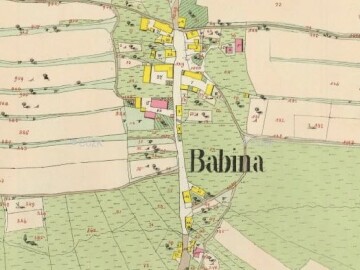
Dokumentaci k vybraným objektům ZOOS okresu Ústí nad Labem začali v letním semestru roku 2024 zpracovávat studenti Katedry historie FF UJEP v Ústí nad Labem formou semestrálních prací. Výsledky až na výjimky (ULob Babina, ULos in Czernischken) ukázaly, že bude nutné problematiku zaniklých sídel uchopit jiným způsobem. Jako vhodný nástroj, alespoň na pokrytí základních údajů pro všechna vytipovaná místa, se koncem roku 2025 ukázala AI.