Physical Destruction: Military Training Area Litoměřice
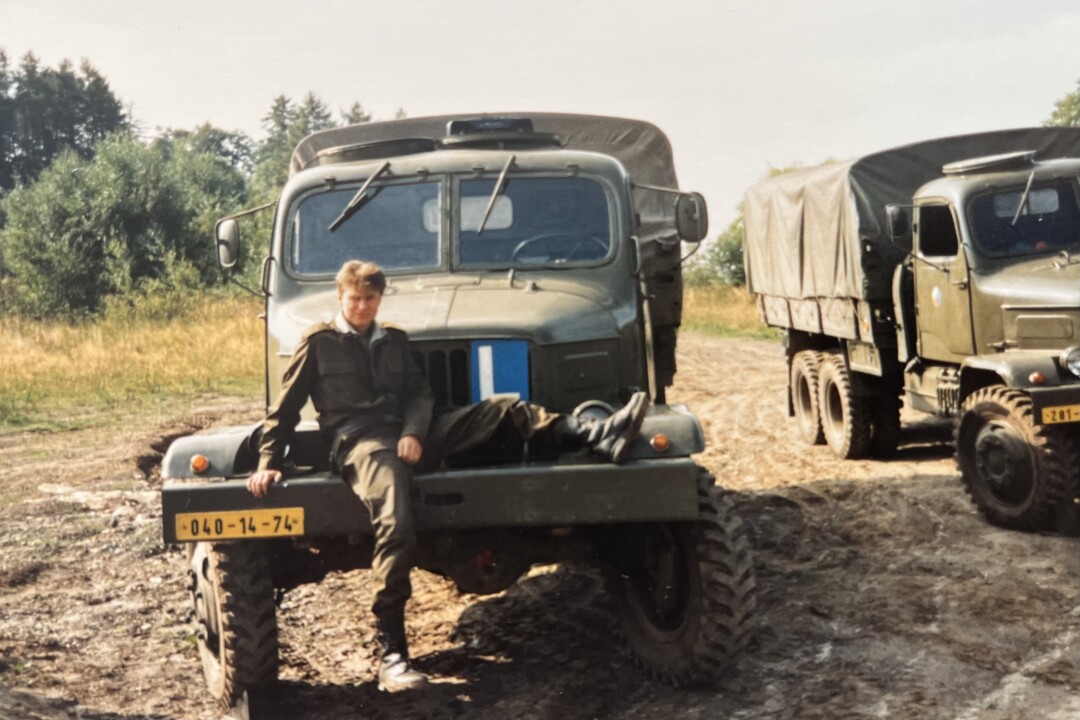
The main and irreversible final blow to Babiny I was not only demographic decline but also the expansion of the state military apparatus. The town of Litoměřice had served as an important garrison centre since the Austro-Hungarian period, and this role intensified after World War II (Mistopisy.cz, undated). The newly built, massive Czechoslovak People’s Army required vast areas for tactical training with heavy equipment. The depopulated, dilapidated, and economically non-viable area around Babinský vrch was evaluated by military planners as an ideal terrain.
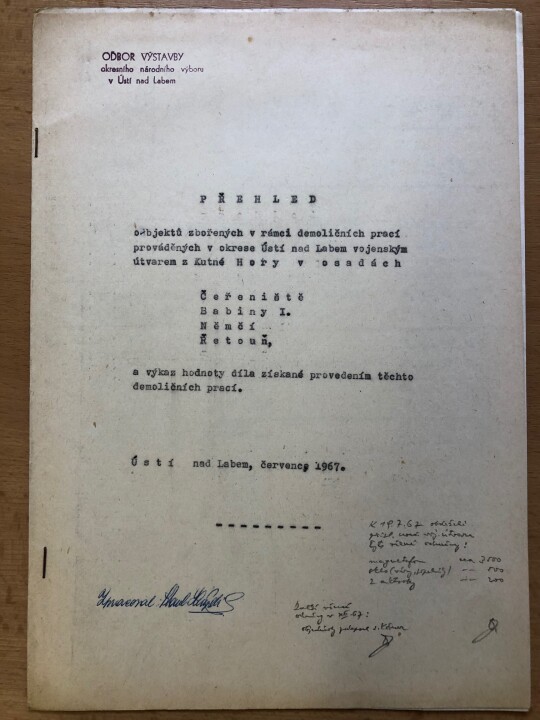
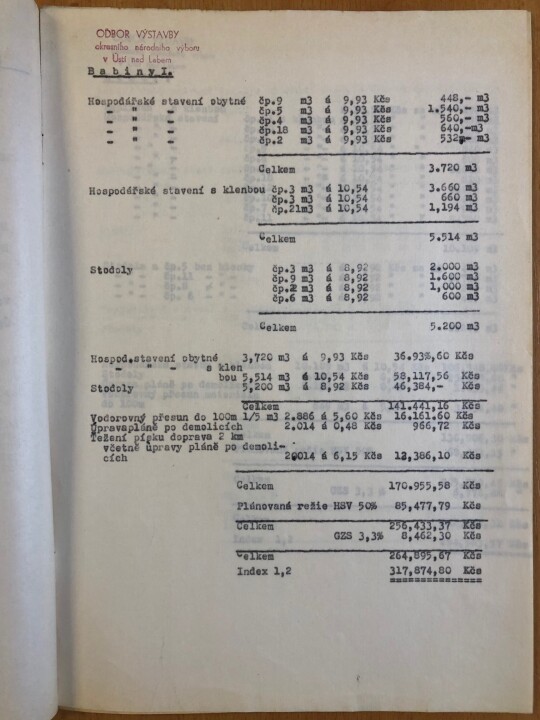
The entire area of Babiny I was thus designated and closed to the civilian public as part of the extensive Military Training Area (VVP) Litoměřice (Pištěk, 2006; Severní Polabí, undated). The transformation of a civilian settlement into a military training ground was drastic. Instead of allowing the buildings to decay naturally, the army proceeded with systematic demolition. Buildings, including the former Zimmler Inn and farmsteads, were deliberately levelled (Severní Polabí, undated; Pištěk, 2006; Zničené kostely, undated). Masonry was often used as targets for artillery firing or training exercises involving engineering explosives, resulting in the definitive transformation of the cultural landscape into a wasteland (Masaryk University, 2024). Of the once extensive village, only a single building was spared from physical destruction, likely used for officer accommodation or storage of military material (Pištěk, 2006). Sources indicate that even in 1961–1962, a detached radio operator station operated on the ruins of the village (Severní Polabí, undated).
The administration of this extensive closed area was governed by strict rules. Maintenance of zones not directly destroyed or damaged by military activity was carried out by the state enterprise Military Forests and Estates of the Czech Republic, which ensured economic use of unaffected forest stands and guarded the perimeter (MVČR, undated). Officially, the municipality of Babiny I was declared extinct in 1980 (Pištěk, 2006; Severní Polabí, undated).
The military closure lasted for decades and was lifted only after geopolitical changes and the fall of the Iron Curtain. During the 1990s, the Litoměřice garrison was gradually dissolved, the army reduced, and the training ground abandoned at the turn of the 20th and 21st centuries (Severní Polabí, undated; Pištěk, 2006; MVČR, undated). When the former Babiny area was reopened to the public, the site consisted of dense self-seeded vegetation, extensive rubble, dangerously buried cellars, and the solitary torso of a cross. Records indicate that in 2001, no one lived permanently in the last two remaining “shacks” (remnants of structures) (Severní Polabí, undated).
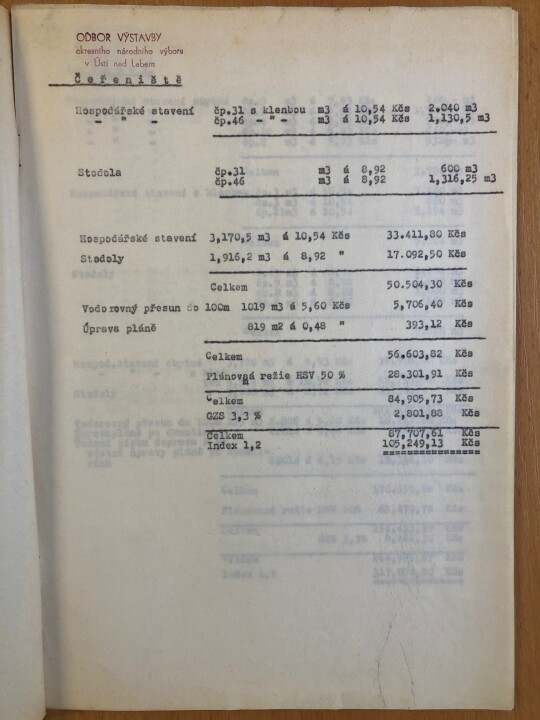
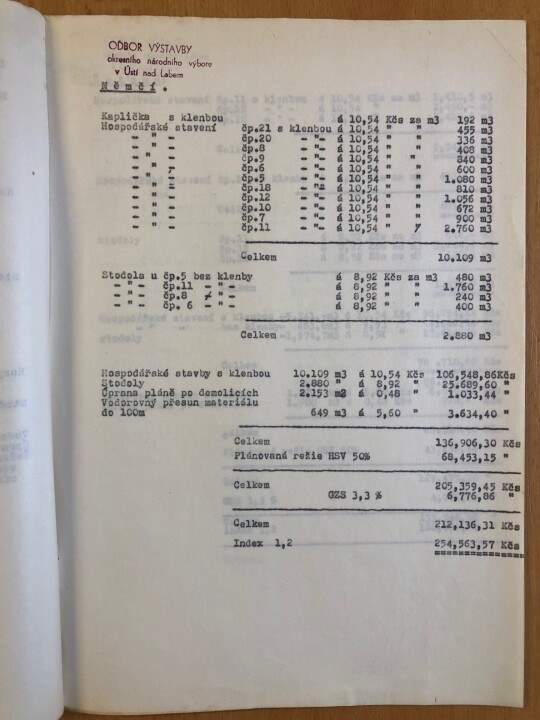
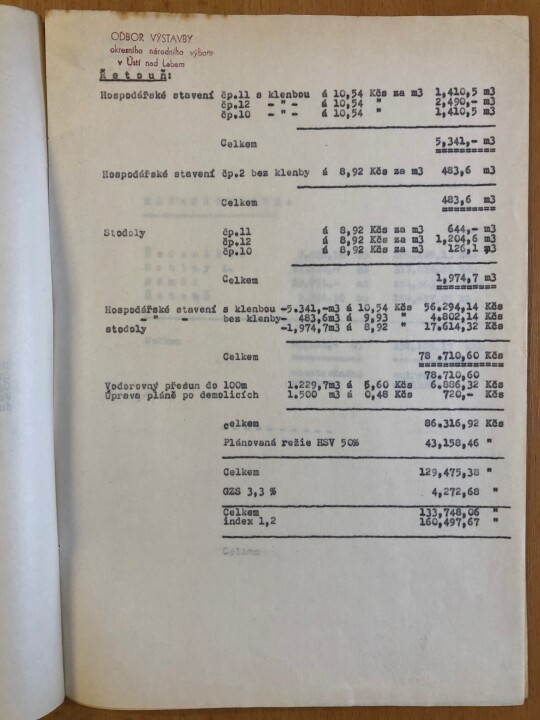
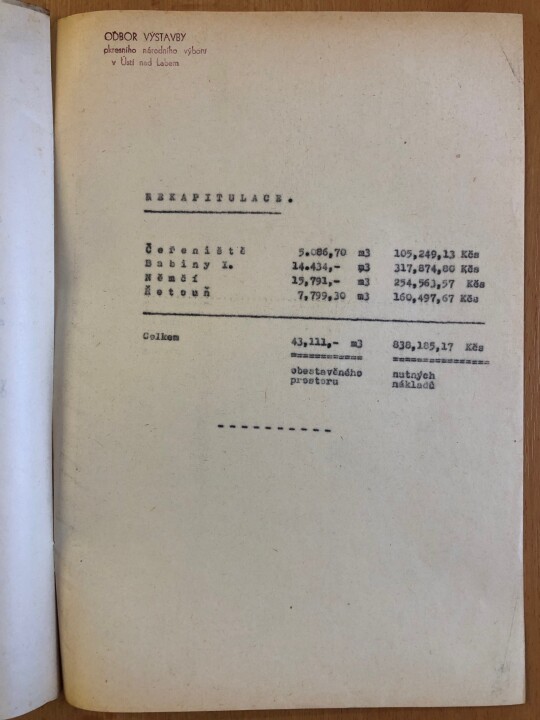
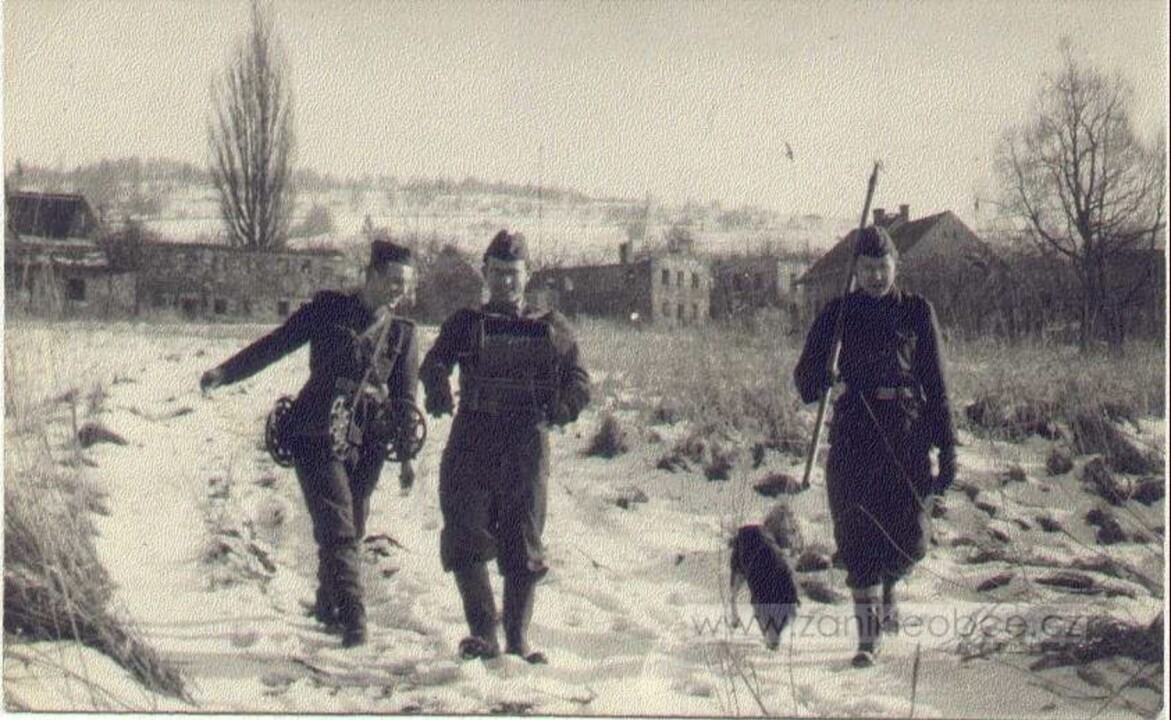
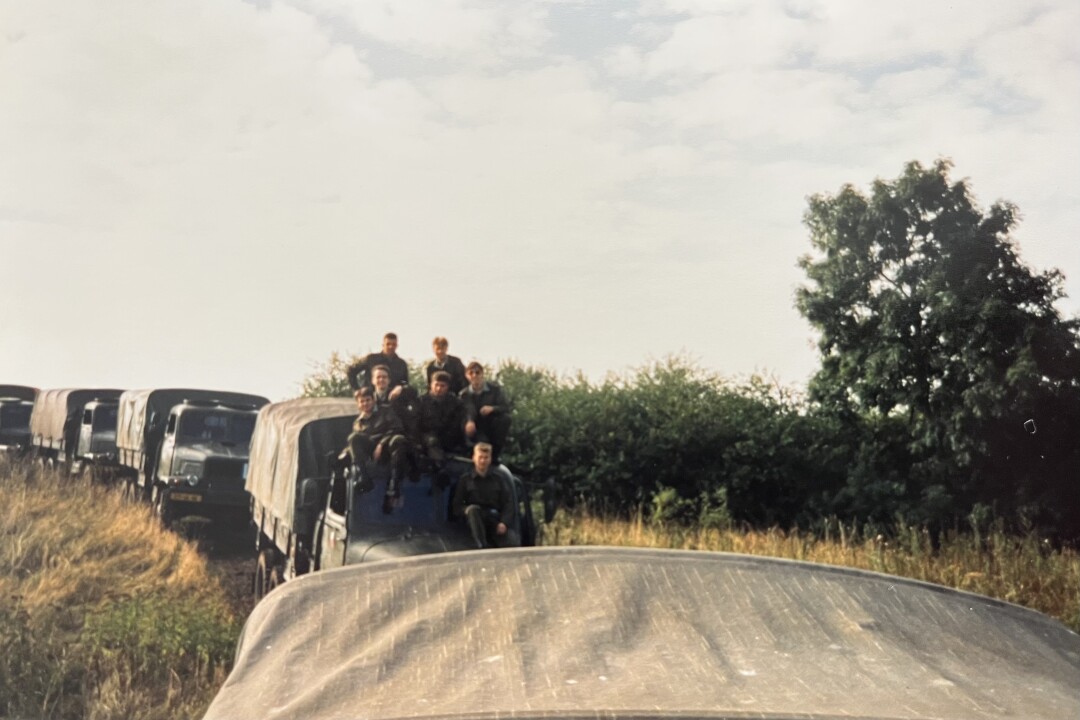
A document detailing the buildings demolished by a military unit in 1967 is held in the Ústí nad Labem City Archives. The photographs are from www.zanikleobce.cz and a private archive.